Creating a safe environment for children in your San Francisco home is crucial to their well-being and your peace of mind. Whether you’re expecting a new baby, have a toddler learning to walk, or a young child exploring their surroundings, it’s essential to be proactive in making your home child-safe.
While ensuring safety at home may seem daunting, there are a few simple steps you can take to create a space where children can thrive without unnecessary risks. From baby-proofing rooms to establishing routines that encourage safe practices, this guide will help you create a secure environment for children of all ages.
Start with the Basics: Child-Proofing Essentials
Children, especially in their early years, are curious explorers, eager to see, grab, and discover everything around them. That sense of adventure, while exciting, also requires you to be proactive in ensuring they’re safe as they learn and grow.
When it comes to child-proofing, you want to think like a child — get down to their level, see the world through their eyes, and spot the potential dangers that might not be obvious at adult height. It’s about creating an environment where your little ones can explore freely but without risks.
Start by installing childproof locks on cabinets and drawers that hold anything harmful. This includes cleaning supplies, sharp objects like scissors and knives, and even small items that could be a choking hazard. For added safety, keep these items stored up high or in areas entirely out of sight.
Heavy furniture, such as bookshelves and TVs, should be secured to the walls to prevent tipping. Toddlers, in particular, love to climb, and an unsecured dresser or TV can be dangerous. Outlet covers are a must-have, and make sure to keep curtain or blind cords out of reach.
Windows and doors should have childproof locks installed, ensuring little adventurers can't wander outside without supervision. With these basic precautions in place, you’re already on your way to creating a much safer environment in your San Francisco home.
Creating a Safe Space for Babies and Toddlers
Babies and toddlers are in constant discovery mode. Baby-proofing ensures that their curiosity doesn’t lead to danger, especially when they start crawling or walking. Create a designated play area where your little one can explore freely. Keep this space free of small items like coins, buttons, or small toys that could easily be swallowed. Baby gates are great for blocking access to stairs or rooms that haven’t been fully baby-proofed yet.
For infants, cribs should be as safe as possible. Avoid placing soft bedding, pillows, or stuffed animals inside, as these can pose suffocation risks. When babies begin pulling themselves up to stand, make sure the crib mattress is lowered to prevent falls.
Look out for sharp corners on tables or other low furniture — adding cushioned corner guards can prevent bumps and bruises. The goal is to provide a safe yet stimulating environment where they can explore without putting themselves at risk.
Bathroom Safety Measures
The bathroom is full of slippery surfaces and potential hazards, making it an area that requires special attention. Start by making bath time safe and fun with non-slip mats inside and outside the tub or shower.
To prevent burns, adjust your water heater to a safe temperature — 120 degrees Fahrenheit or lower is the recommended setting. It’s also a good idea to secure the toilet with a childproof lock. Not only can little hands be drawn to playing with water, but this can also prevent accidental drownings. Finally, store any medications, razors, and other bathroom essentials out of reach, preferably in a locked cabinet. Even child-resistant packaging isn’t foolproof, so extra precautions are always a better idea.
To prevent burns, adjust your water heater to a safe temperature — 120 degrees Fahrenheit or lower is the recommended setting. It’s also a good idea to secure the toilet with a childproof lock. Not only can little hands be drawn to playing with water, but this can also prevent accidental drownings. Finally, store any medications, razors, and other bathroom essentials out of reach, preferably in a locked cabinet. Even child-resistant packaging isn’t foolproof, so extra precautions are always a better idea.
Kitchen Safety Precautions
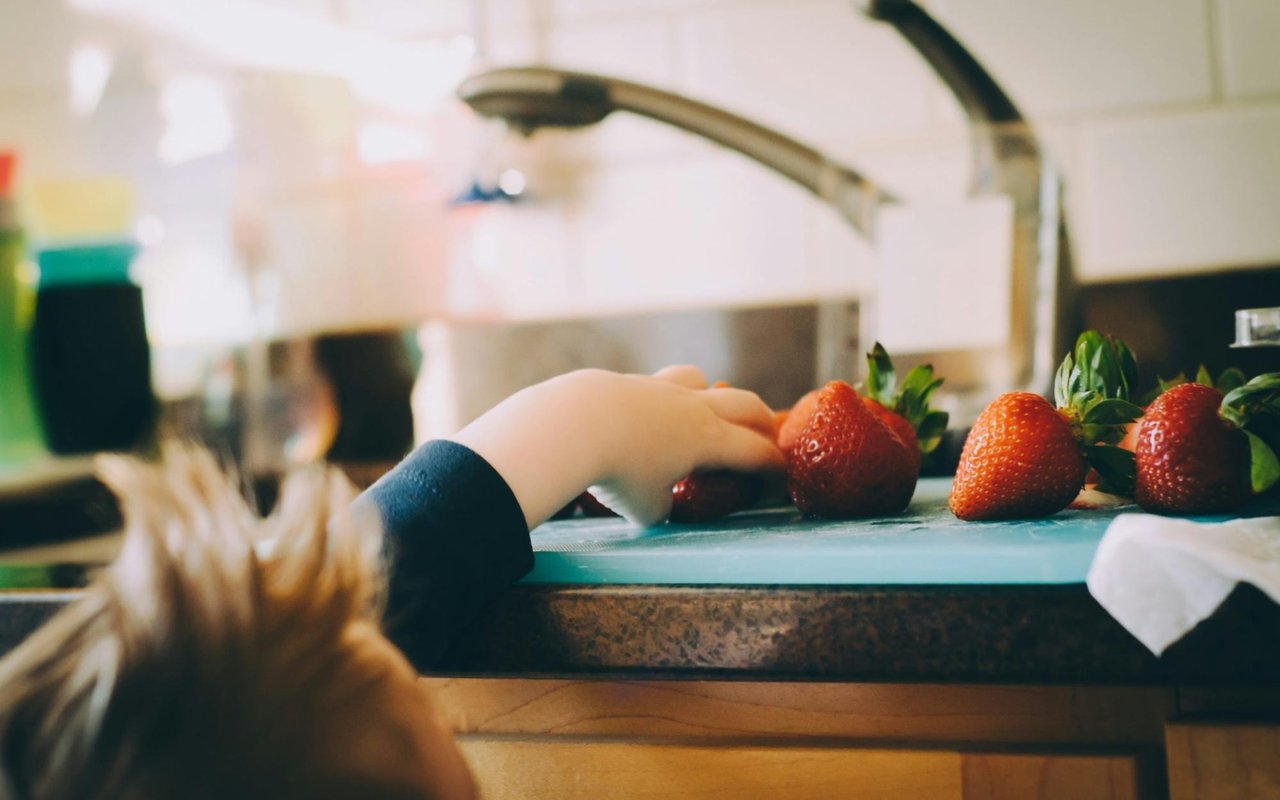
The kitchen is one of the busiest places in the house, and it’s often where accidents can happen. Child-proofing the kitchen starts with organization. Store dangerous items like knives, heavy pots, and cleaning supplies in cabinets that either have locks or are located high up, well out of reach.
The stove is a particular point of concern. When cooking, use the back burners as much as possible, and always turn pot handles inward so that curious hands can’t grab them. Consider installing stove knob covers to prevent little ones from accidentally turning the burners on.
Another often-overlooked area is the pantry. Certain foods, like hard candy, nuts, or popcorn, can be choking hazards for younger children, so it's important to store them up high or in locked cabinets.
Living Room Safety
The living room is where you’ll gather, relax, and enjoy time together. It’s also where children tend to play, so it’s essential to make sure these spaces are just as safe as any other room in the house. Start by securing heavy furniture to the wall — bookcases, TV stands, and any oversized items should be anchored to prevent tipping.
TVs should be mounted securely or placed on low, sturdy furniture. Loose cables and cords from electronics like lamps or charging stations should be kept out of reach, as they can be both a tripping hazard and a strangulation risk.
Finally, be mindful of the smaller items in the room. Batteries from remote controls, small decor, or fragile items should be kept out of reach or stored in high places where children can’t access them.
Outdoor and Yard Safety
Your backyard should be a place for carefree fun, but it’s still important to put safety measures in place to avoid accidents. If you have outdoor play equipment, ensure it’s in good condition and securely anchored. Regularly inspect swing sets, jungle gyms, or trampolines for any signs of wear and tear.
If there’s a pool or water feature, install a fence with a self-latching gate to ensure children cannot access the water unsupervised. Pool alarms can also provide an extra layer of protection. When it comes to water safety, always supervise children closely, even if they know how to swim.
If there’s a pool or water feature, install a fence with a self-latching gate to ensure children cannot access the water unsupervised. Pool alarms can also provide an extra layer of protection. When it comes to water safety, always supervise children closely, even if they know how to swim.
For households with garden tools or lawnmowers, these should be kept in locked sheds or garages when not in use. Any chemicals, fertilizers, or pesticides should also be stored out of reach to prevent accidental exposure.
Teach Safe Habits Early
While it’s essential to make your home environment as safe as possible, teaching children good habits can be just as effective in preventing accidents. From a young age, kids can learn what’s off-limits and why. For instance, explaining why they shouldn’t touch a hot stove or why they need to stay away from certain areas can help instill an understanding of safety.
It’s also important to lead by example. Show your children how to safely use items like scissors, kitchen tools, and electronics. As they grow older, encourage them to use helmets when biking, rollerblading, or skateboarding, and reinforce the need for protective gear. With these life lessons, children will begin to understand their role in keeping themselves safe, building a sense of responsibility that will benefit them for years to come.
Creating a safe home for your children is an ongoing process that requires both thoughtful preparation and adaptability. By implementing key safety measures, you can reduce risks and allow your children to explore and thrive.
Get ready to reach success in San Francisco real estate today with Novo Real Estate by your side.