By Novo Real Estate
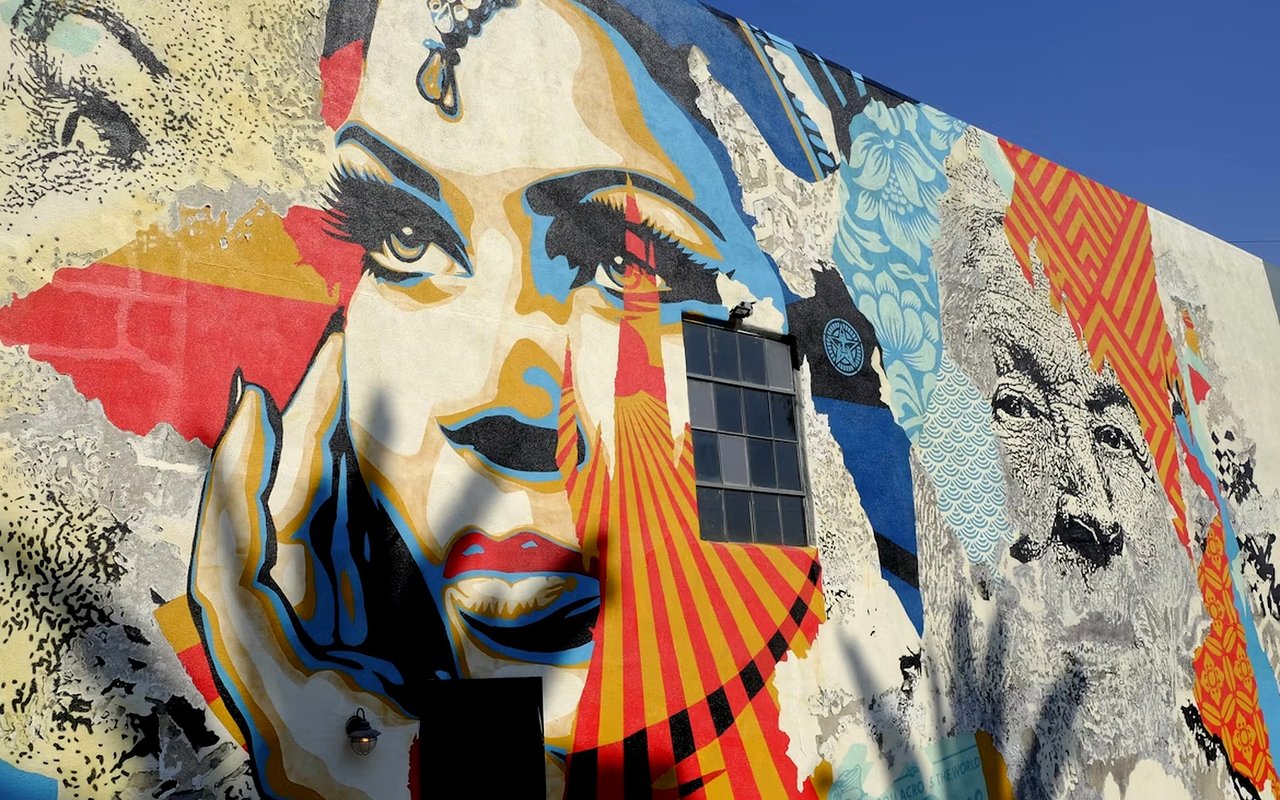
San Francisco has always been a city that expresses itself boldly, and nowhere is that more apparent than on its walls. The San Francisco street art scene is one of the most historically rooted and culturally significant in the country, stretching from the Mission District's dense concentration of murals to the alleyways of North Beach and the industrial canvases of SoMa. For residents and prospective buyers alike, understanding the street art scene is part of understanding what makes this city's neighborhoods feel the way they do. Art here is not decoration. It is documentation, activism, and community identity rendered at scale.
Key Takeaways
-
Learn how the San Francisco street art scene developed from its roots in the Mission District into a citywide cultural force.
-
Discover the key locations and landmarks that define the mural landscape across San Francisco's most art-rich neighborhoods.
-
Find out how organizations like Precita Eyes have shaped the community impact of street art in San Francisco for decades.
-
Understand how the presence of public art influences neighborhood character and the experience of living in San Francisco.
The Mission District: The Heart of San Francisco's Mural Tradition
No neighborhood has done more to define the San Francisco street art scene than the Mission District. The tradition here stretches back to the early 1970s, and what has developed over the following five decades is one of the most concentrated and culturally layered collections of public murals in the United States.
The Mission's Most Significant Street Art Landmarks
-
Balmy Alley, located between 24th and 25th streets, is one of the most historically significant mural corridors in the city. Murals began appearing here in the mid-1980s as expressions of outrage over human rights abuses in Central America, and the alley has been a living canvas of political and cultural expression ever since.
-
Clarion Alley, between 17th and 18th streets near Mission and Valencia, has hosted more than 700 murals since 1992, with works that address social, economic, and environmental justice themes in an evolving outdoor gallery that reflects the concerns of each moment.
-
The MaestraPeace Mural on the exterior of the Women's Building at 3543 18th Street was painted in 1994 by seven women artists and is internationally recognized as one of the most significant public murals in the country, honoring women's contributions to art, science, and social justice.
-
The Carnaval Mural at the corner of 24th Street and South Van Ness Avenue stands 24 feet tall and 75 feet wide, making it one of the most visually commanding works in the neighborhood.
The Mission's mural tradition is not static. Artists regularly refresh and renew their wall space, which keeps the scene responsive to current events and community concerns in ways that museum collections rarely can.
Precita Eyes: The Organization Behind the Movement
No institution has done more to sustain and legitimize the San Francisco street art scene than Precita Eyes Muralists, a community-based nonprofit founded in the Mission District in 1977 by Susan Cervantes and Luis Cervantes. What began as a small collective of artists has grown into one of the most respected mural arts organizations in the United States.
How Precita Eyes Has Shaped San Francisco's Street Art Legacy
-
Precita Eyes has cataloged hundreds of murals across 143 blocks of the Mission District, creating a documented record of works credited to specific artists and preserving the neighborhood's visual history.
-
The organization operates two centers in the Mission, including the Precita Eyes Mural Arts and Visitors Center at 2981 24th Street, which functions as a gallery, workshop space, and base for mural tours conducted by working artists on staff.
-
Youth arts education has been central to Precita Eyes since its founding. The organization runs weekly art classes for children as young as 18 months through age 19, giving generations of Mission residents their first meaningful access to the visual arts.
-
Precita Eyes conducts walking mural tours that cover the history and cultural significance of the murals in Balmy Alley and across the broader Mission, providing context that transforms a walk through the neighborhood into an educational experience.
Precita Eyes represents something rare in the public art world: an organization whose focus is not on importing outside talent but on developing local voices and preserving community-specific stories on the walls of the neighborhoods those stories belong to.
Street Art Across San Francisco's Other Neighborhoods
While the Mission is the geographic and historical center of San Francisco's street art scene, the tradition extends into neighborhoods across the city. Each area brings its own character to the art that appears on its walls.
Where to Find Compelling Street Art Beyond the Mission
-
North Beach, the historically Italian neighborhood long associated with the Beat Generation, features murals including the 1987 Jazz mural by Bill Weber on the corner of Columbus and Broadway, as well as additional works in Jack Kerouac Alley near City Lights Bookstore and Vesuvio Café.
-
Chinatown is home to several significant murals, including the 1,400-square-foot Ping Yuen mural at Stockton and Pacific, and a Bruce Lee mural at Grant and Commercial, alongside newer public art installations at the Chinatown-Rose Park Central Subway Station.
-
SoMa's large industrial buildings have attracted muralists who use the neighborhood's expansive building surfaces for ambitious large-scale works that contrast sharply with the area's urban architecture.
-
The San Francisco Arts Commission has operated the Art on Market Street program since 1992, commissioning works from artists to be displayed at SFMTA transit shelters along Market Street, bringing public art into one of the city's most heavily trafficked daily corridors.
The distribution of street art across San Francisco's neighborhoods reflects the city's broader character. Each community has used public walls to tell its own story, and those stories accumulate into a citywide visual archive that is unlike anything else in the country.
Why Street Art Matters to San Francisco's Neighborhoods and Real Estate
The connection between street art and neighborhood identity in San Francisco is not incidental. In communities like the Mission, Chinatown, and North Beach, murals are among the most visible expressions of what those neighborhoods mean to the people who live in them. For buyers considering San Francisco, understanding the street art landscape is part of understanding the cultural depth that gives individual neighborhoods their character and their lasting appeal.
How Public Art Shapes the Experience of Living in San Francisco
-
Neighborhoods with strong public art traditions tend to develop a sense of visual identity that residents feel connected to, which contributes to community cohesion and long-term resident investment in the area.
-
The presence of organized mural arts programs, like those run by Precita Eyes, signals active civic engagement and community infrastructure that goes well beyond what the art itself represents.
-
Visitors and new residents consistently cite San Francisco's murals and street art as among the most memorable and humanizing aspects of the city's streetscape, contributing to the walkable, culturally layered quality of life that San Francisco neighborhoods are known for.
-
Public art in San Francisco has historically served as a form of community expression during periods of social change, giving neighborhoods a visible record of their values and their history that contributes to a sense of place that is difficult to replicate in newer developments.
San Francisco's street art is inseparable from what the city is. For anyone thinking seriously about living here, it is one of the most honest reflections of the character and community that define this place at the neighborhood level.
Frequently Asked Questions
What is the best neighborhood to explore San Francisco's street art scene?
The Mission District is the most historically significant and densely concentrated area for murals in the city. Balmy Alley, Clarion Alley, and the blocks surrounding the Women's Building provide a self-guided experience that covers decades of the city's mural tradition. Precita Eyes offers organized walking tours that provide deeper context for visitors who want to understand what they're seeing.
Is San Francisco's street art scene still active and growing?
It is. Clarion Alley continues to evolve with new works added regularly, and the San Francisco Arts Commission maintains active public art programs along Market Street and in transit spaces throughout the city. The scene is not static, and new artists continue to contribute to the tradition alongside established names.
How does San Francisco's public art scene compare to other major cities?
San Francisco's street art tradition is distinguished by its deep roots in community organizing and political expression, particularly in the Mission District. While other cities have vibrant street art scenes, the level of institutional support through organizations like Precita Eyes and the San Francisco Arts Commission gives San Francisco's public art landscape a degree of documentation and community integration that is relatively rare.
Contact Novo Real Estate Today
San Francisco is a city that rewards those who take the time to understand it at the neighborhood level, and the street art scene is one of the most honest guides to what each community values and how it sees itself. We bring that same depth of local knowledge to our work with buyers and sellers across the city.
When you are ready to explore San Francisco real estate, connect with Novo Real Estate and let's find the right neighborhood and the right home for you.
When you are ready to explore San Francisco real estate, connect with Novo Real Estate and let's find the right neighborhood and the right home for you.